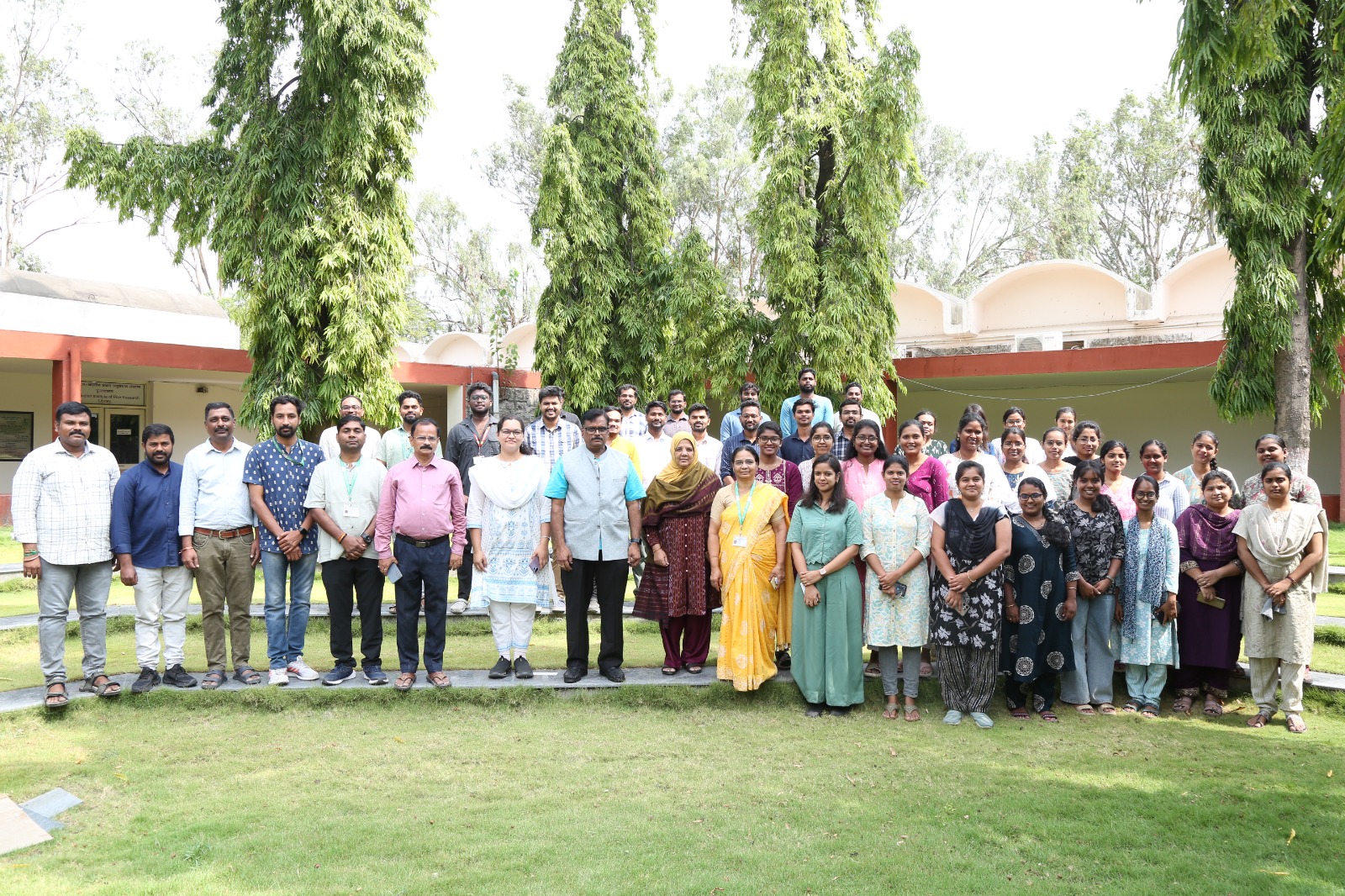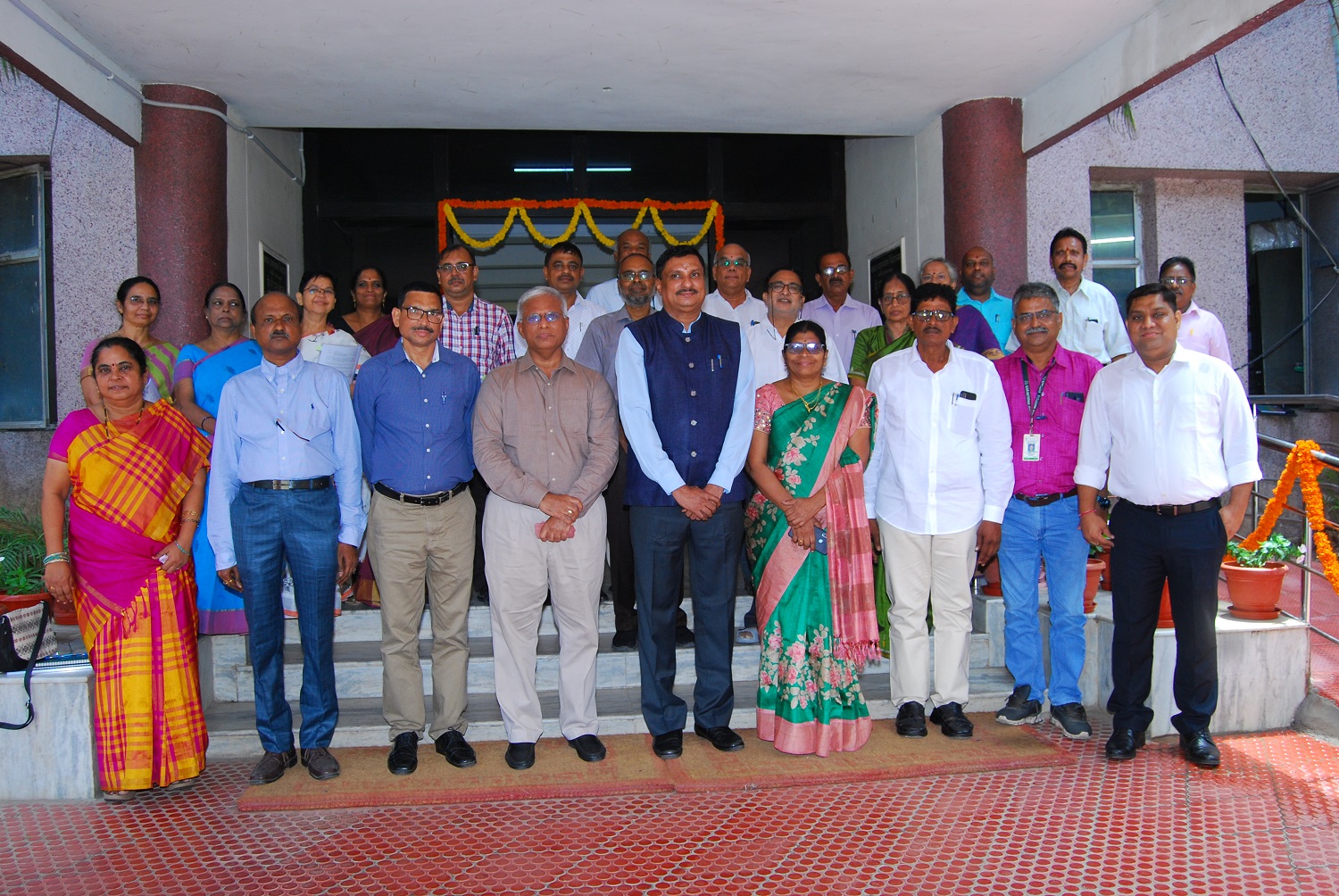
Three-day training programme on “Computational Approaches to Primer Designing for Rice Genomics Research: Hands-on Training” during 9–11 June 2026
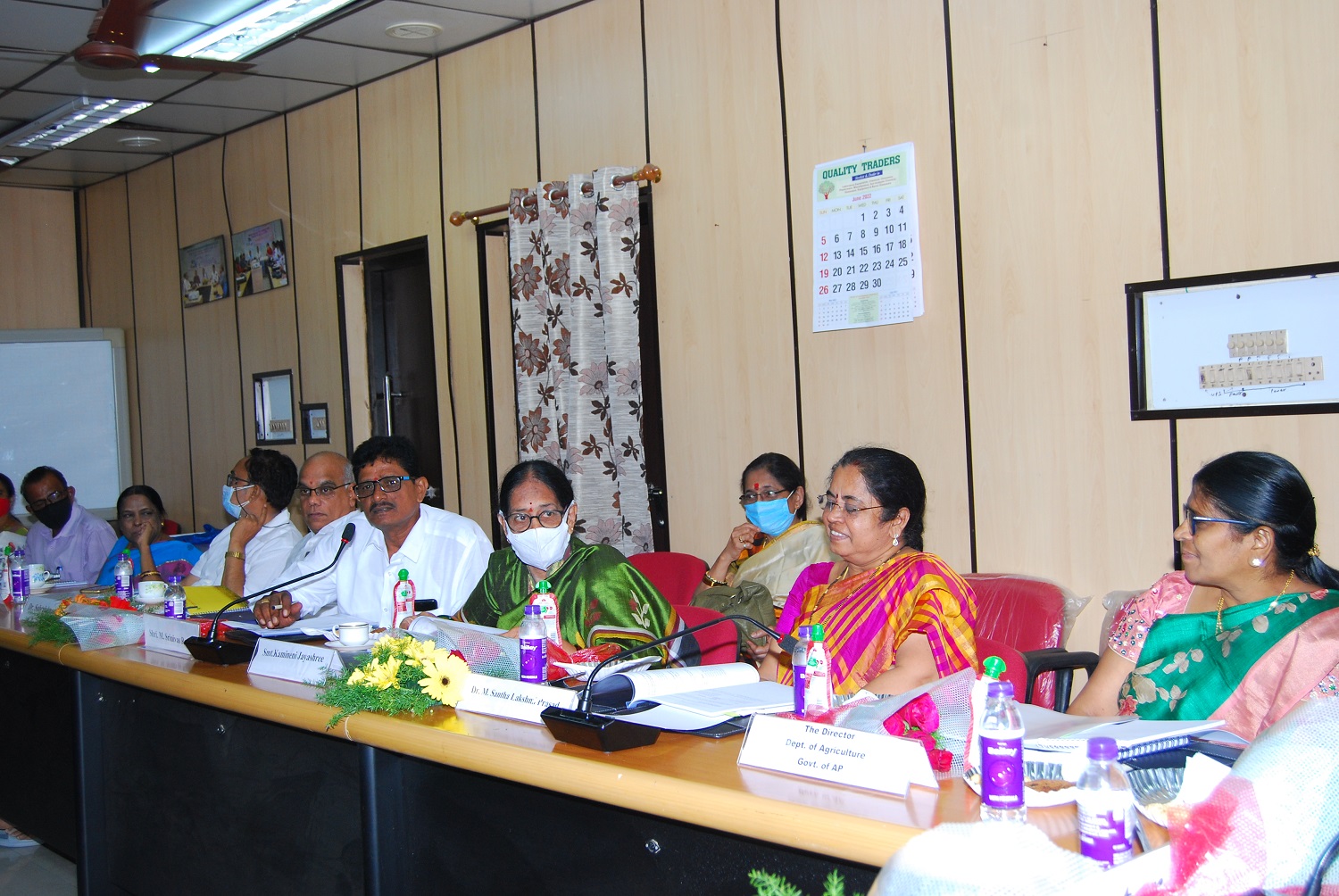
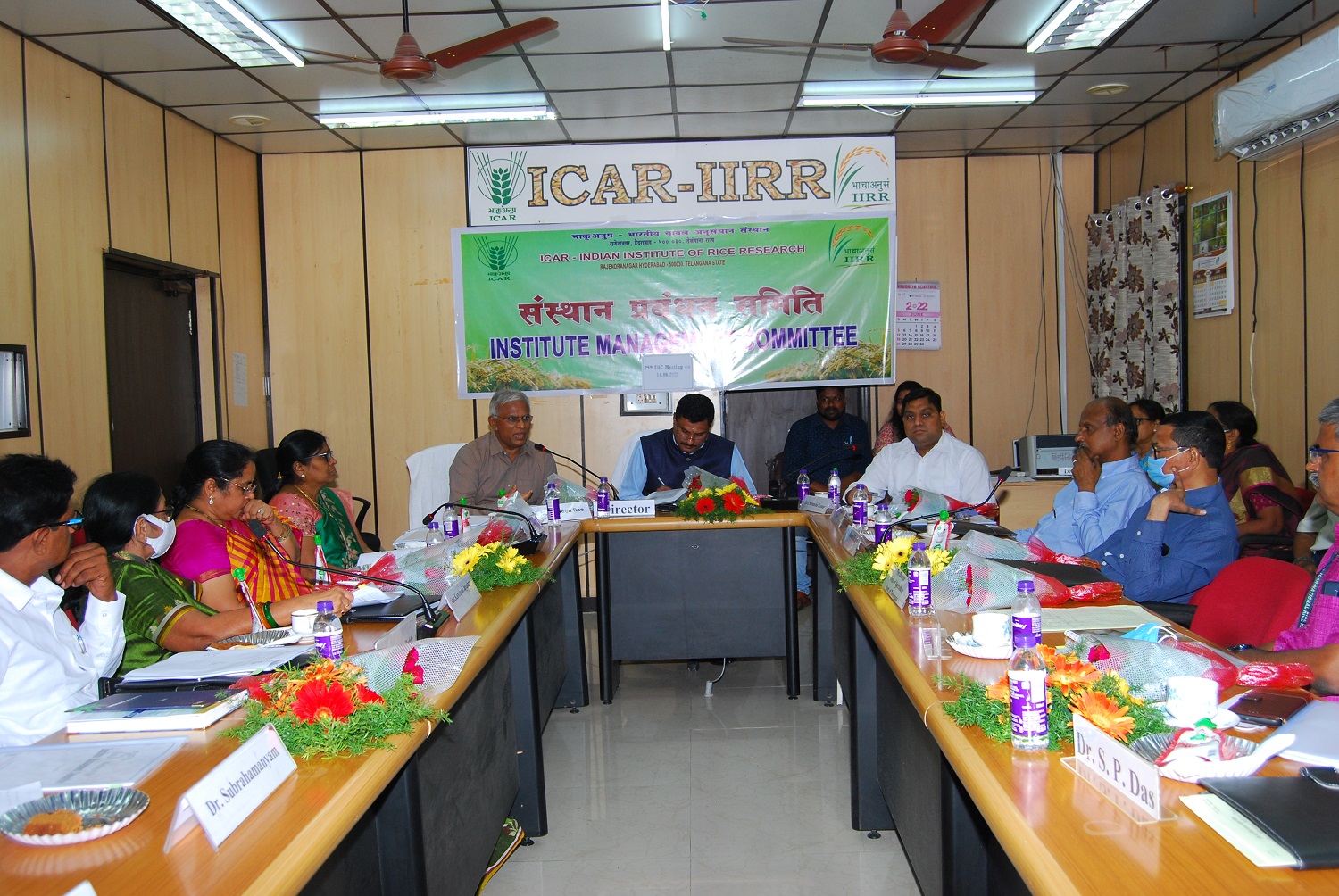
During the inaugural programme, Dr M. S. Prasad, Director, ICAR-IIRR, highlighted the significance of capacity-building initiatives in equipping researchers with advanced computational skills required for modern crop improvement research. Dr Amtul Waris, Head TTT, outlined the key Human Resource Development (HRD) activities being undertaken by ICAR-IIRR as per the guidelines of ICAR, New Delhi. This training programme was a part institutes HRD, headed by Dr. Chitra Shankar, Chairperson, HRD. Dr R. M. Sundaram, Director, ICAR-NAARM, emphasized the importance of such programmes in strengthening human resource capabilities and accelerating innovation in agricultural research. During the inaugural session, distinguished lectures were organized under the NAAS Hyderabad Chapter. Dr. Satendra Kumar Mangrauthia delivered an enlightening lecture on the latest advances in genome editing technologies, emphasizing their transformative potential in crop improvement and climate-resilient agriculture. He elaborated on the scientific principles, regulatory considerations, and translational aspects of genome editing, highlighting the successful development and commercialization of Kamala DRR Dhan 100 as a notable example of technology deployment in rice improvement. Dr. SV Sai Prasad provided an insightful overview of the rice varieties developed by ICAR-IIRR, highlighting their contributions to enhancing productivity, resilience, and grain quality across diverse agro-ecological regions. He also elaborated on the pivotal role of the All India Coordinated Research Project on Rice (AICRP-Rice) in the multi-location evaluation, identification, release, and dissemination of improved rice varieties. His lecture underscored the significance of the coordinated research network in accelerating varietal development and facilitating the large-scale adoption of superior rice technologies by farming communities across the country.
The programme featured lectures and hands-on training by distinguished scientists including Drs. S. V. Sai Prasad (PS, Plant Breeding and Genetics), G. S. Laha (PS, Plant Pathology), A. P. Padmakumari (PS, Entomology), Satendra Kumar Mangrauthia (PS, Biotechnology), Jyothi Badri (SS, Plant Breeding and Genetics), Divya Balakrishnan (SS, Plant Breeding and Genetics), Kalyani M. Barbadikar (SS, Biotechnology) and Papa Rao Vaikuntapu (S, Biotechnology) (ICAR-IIRR); Dr B. Usha Kiran (SS, Biotechnology, ICAR-IIOR); Dr P Supriya (S, Bioinformatics, ICAR-NAARM); Dr Sona Charles (S, Bioinformatics, ICAR-IISR); Dr Tejas Bosamia (Asst. Prof. Anand Agricultural University), Dr Naveen Kumar (Asst. Prof. Central University of Rajasthan); Dr. Ashok Kumar Madikonda ( Asst. Prof. Central University of Kerala); Dr Shailesh Kumar (Staff Scientist IV, BRIC-NIPGR); and Dr C. Gokulan (M K Bhan Fellow, CSIR-CDFD). The sessions provided participants with valuable exposure to contemporary computational tools and methodologies widely used in rice genomics research. Drs Divya Kattupalli, Sai Krishna M, and Ms Kanika KM from ICAR-IIRR served as resource personnel for practical sessions.
Dr. V. Papa Rao and Dr. Kalyani M. Barbadikar provided a comprehensive overview of the training programme, outlining its objectives, structure, and emphasized the importance of active participation and interdisciplinary learning. The valedictory session featured an engaging interaction by Chief Guest, Dr. P. K. Mandal, Principal Scientist, Biotechnology, ICAR-National Institute of Plant Biotechnology (NIPB). Drawing upon his extensive research experience, he discussed strategies for identifying impactful research questions, formulating scientifically sound hypotheses, and addressing complex biological problems through a structured and interdisciplinary approach. He underscored the importance of critical thinking, innovation, and resilience in scientific inquiry, while advocating a solution-oriented mindset for overcoming research challenges.